
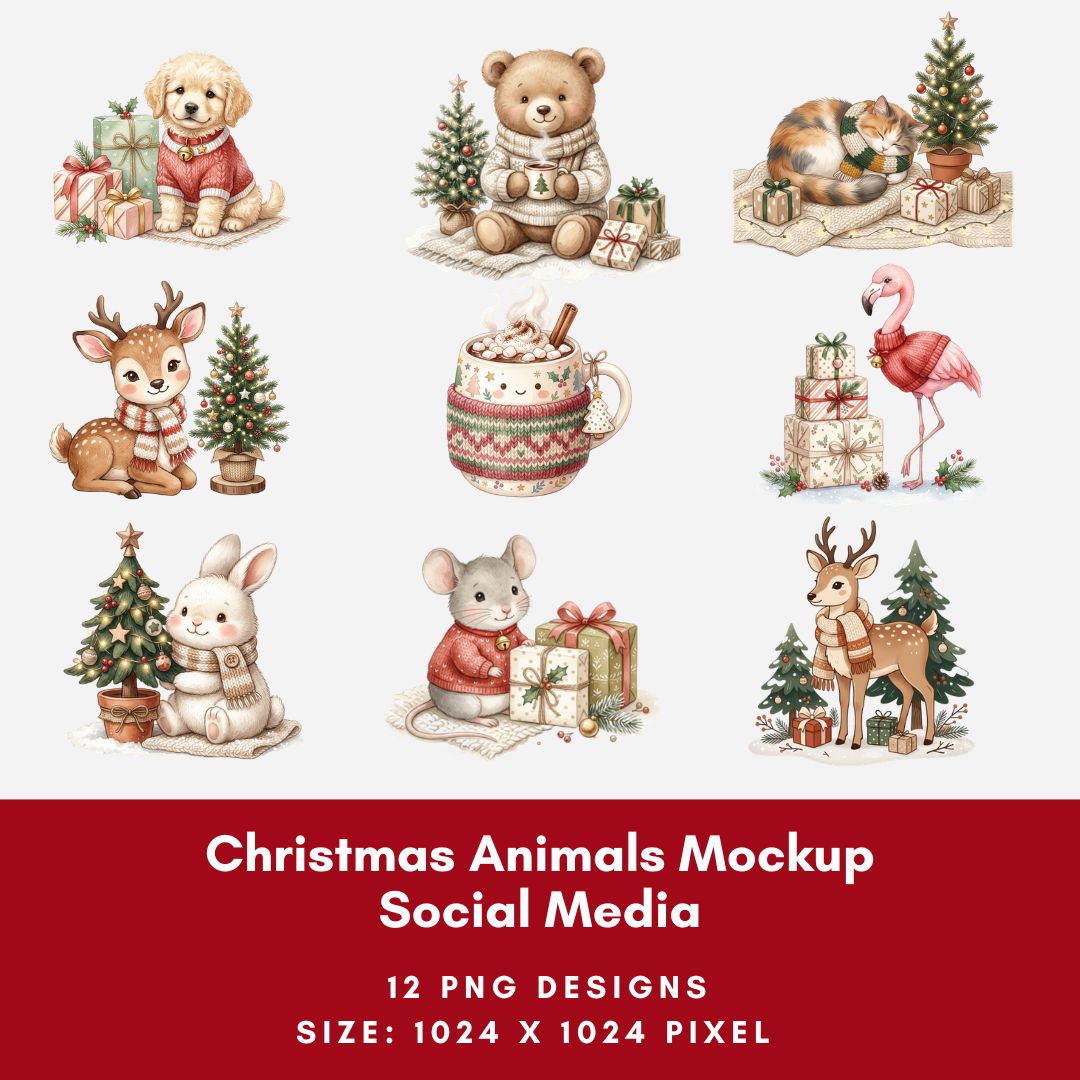
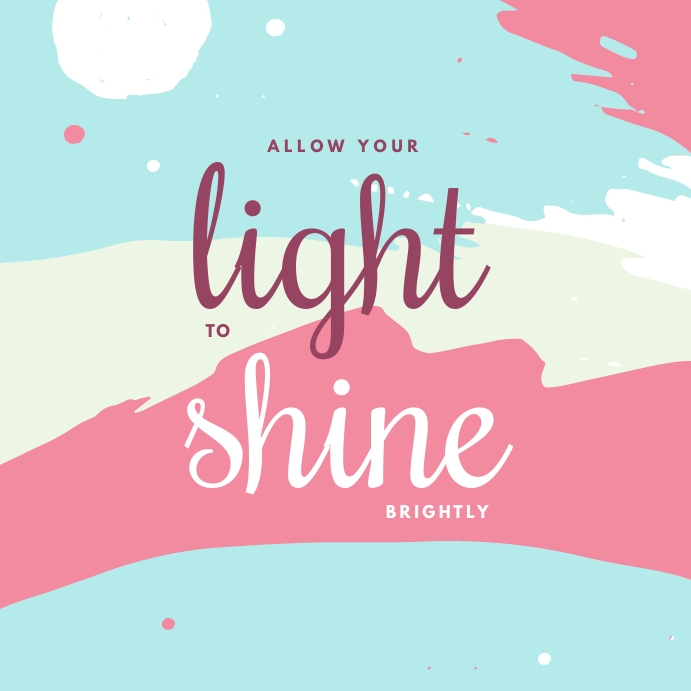
AI design tools can make the creative process faster, easier, and more inspiring. With Kittl AI, designers can explore ideas, create visuals, experiment with typography, and develop eye-catching design templates for social media, marketing, printables, and small businesses. The key is to use AI as a creative partner—not as a replacement for your own design judgment.
Get 50% off annual plans for a limited time only.
Use code: KITTLBRAND
Do’s
- Do start with a clear idea. Before creating a design, decide on your purpose, audience, mood, colors, and overall style. A clear concept helps you create more consistent templates.
- Do experiment with prompts. Try different descriptions, styles, layouts, objects, and moods. Small changes to your prompt can lead to completely different creative directions.
- Do customize the results. Treat AI-generated designs as a starting point. Adjust fonts, spacing, colors, illustrations, images, and composition so the finished template feels intentional and original.
- Do keep templates practical. If you’re creating products for customers, make sure text areas are easy to edit and layouts work for different types of content. Templates should be beautiful but also useful.
- Do create a consistent collection. Build matching templates using a similar color palette, typography, and visual style. A coordinated collection can make your shop look more professional.
Don’ts
- Don’t rely on the first result. The first AI generation may not be the strongest idea. Explore several variations before choosing a direction.
- Don’t overcrowd your design. Too many fonts, graphics, colors, and decorative elements can make a template difficult to read. Give your design enough breathing room.
- Don’t forget to proofread. Always check AI-generated text, spelling, typography, and small details before publishing or selling a design.
- Don’t copy another designer’s work. Use AI to develop your own concepts rather than reproducing recognizable designs, logos, characters, or protected creative work.
- Don’t ignore licensing and platform rules. If you plan to sell AI-assisted templates or graphics, review the current Kittl terms, licensing conditions, and the requirements of the marketplace where you sell.
Tips for Creating Better Design Templates
Start with a simple visual system. Choose 2–3 complementary fonts, a small color palette, and a recognizable design style. Then create several variations from the same concept.
Think about how customers will actually use the template. For example, a social-media collection could include an announcement post, quote post, promotional post, product feature, and story template. A wedding collection could include invitations, menus, thank-you cards, signs, and bridal shower graphics.
For a cozy creative shop, try themes such as minimal, warm, soft, calm, coffee-inspired, neutral, pastel, or whimsical. These styles can work beautifully for planners, worksheets, social-media templates, wall art, stickers, and small-business branding materials.
This workflow keeps the creative process organized while leaving room for experimentation.
Use Kittl AI to spark ideas, then add your own creativity and design decisions.